
Crafting engaging and valuable website content extends far beyond merely selecting trendy keywords. It necessitates a deep understanding of search intent grasping what users truly seek when they enter specific queries. Additionally, a thoughtful organization of related topics is crucial, as it aids in constructing a coherent and effective content strategy. Without careful planning, there’s a risk that multiple articles may inadvertently chase similar search terms, leading to internal competition for visibility and attention. By systematically organizing keywords, businesses can create content that is not only relevant but also targeted, effectively answering the questions and needs of their audience. This organized approach not only enhances the quality of the content but also facilitates a consistent publishing schedule, contributing to a well-structured website. In this guide, we will explore practical strategies for effectively organizing keywords and meticulously planning content, helping you create a compelling online presence that resonates with your readers.
Understand the Importance of Keyword Organization
Keyword organization helps marketers identify relationships between search terms by grouping similar meanings and intent. This strategy streamlines content planning and minimizes duplication. For instance, a digital marketing website could target email marketing, social media marketing, and search engine optimization, each with related terms. Organizing these terms helps you decide whether to include them in one article or separate pages and highlights missing topics. This approach enables content teams to find opportunities for new articles and resources, fostering long-term organic growth.
Research Keywords Before Creating Groups
Start by researching keywords relevant to your business and audience using SEO tools like Google Keyword Planner, Ahrefs, and Ubersuggest. Identify key search terms, monthly search volumes, competition levels, and related queries. Consider the questions your audience asks before making a purchase and explore suggestions from search queries and online discussions. Record your findings in a spreadsheet, including keyword, search volume, difficulty, intent, and notes for easier comparison. Focus not just on high-volume keywords, but also on relevance and search intent to attract interested visitors.
Apply Keyword Clustering to Organize Topics
Keyword clustering involves grouping related search terms by meaning and intent to identify keywords that a single piece of content can address. Start by selecting a primary keyword for each article, then gather supporting keywords that answer similar questions. Check search results for overlapping ranking pages. For instance, a group on email marketing could include terms like email marketing tips and how to create an email campaign, which can fit into one comprehensive guide. However, keywords with distinct intentions, such as email marketing software versus campaign-writing advice, should have separate content to effectively serve different audiences. Carefully review each group to ensure a clear purpose without combining unrelated terms.
Identify Search Intent for Each Group
Search intent refers to what users aim to achieve with their queries. Understanding this can guide you in selecting the right content formats and topics. Informational searches seek explanations or answers, working well with tutorials and guides. Commercial investigation searches focus on comparing products, suitable for comparison articles and reviews. Transactional searches indicate a desire to purchase or subscribe, aligning with product or service pages. Navigational searches help find specific websites or brands, requiring clear destination pages. Assigning intent categories to keyword groups prevents mismatches between user expectations and content, supporting a more organized strategy.
Create a Content Map for Your Website
Once your keyword groups are ready, connect them to specific website pages through a content map that outlines the topics each page covers and their relationships. Start with main business topics as pillar pages for broad introductions, while supporting articles delve into narrower questions. For example, a digital marketing site might have a comprehensive guide to content marketing with supporting articles on content calendars, blog promotion, and audience research. Link related articles to enhance navigation and help search engines understand page relationships. Before creating new content, review existing pages to see if an older article already addresses the topic; updating it may be more effective than publishing a similar piece.
Prioritize Topics Using SEO Metrics
Not every keyword group needs immediate attention. Prioritize topics based on business relevance, audience needs, competition, and resources. Use search volume to gauge interest and keyword difficulty to assess competition. However, these metrics should guide decisions rather than dictate them. Focus on topics that align closely with your services, and ensure your website can offer unique value. Aim for a balance between achievable opportunities and long-term goals. Smaller websites may want to tackle specific questions before competing on broader topics. Create a priority score to simplify comparisons and clarify content decisions to your team.
Build a Practical Content Calendar
A content calendar turns keyword research into a practical publishing plan. Assign each article a topic, target audience, content format, priority, and publication date, arranging related articles logically. Publish a comprehensive guide before supporting articles to create a clear structure, but be flexible to urgent business needs and seasonal trends. Allow time for research, drafting, editing, and optimization, and assign responsibilities for collaborative efforts. Set clear deadlines for consistency while ensuring quality. Regularly review the calendar to adapt to changing audience needs and new opportunities, and focus on delivering meaningful value with each article instead of just hitting targets.
Measure Results and Improve Your Strategy
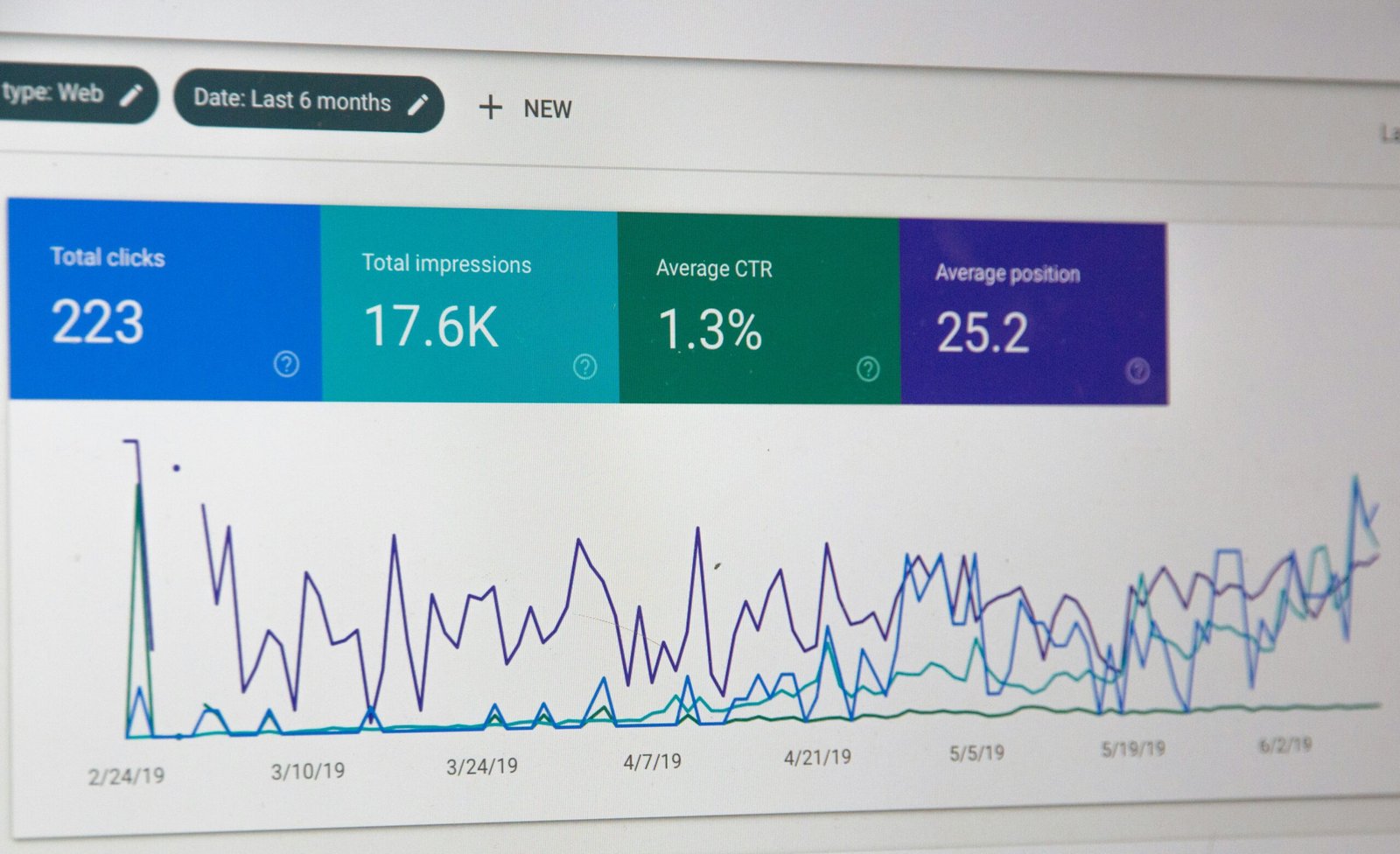
After publishing content, monitor performance with Google Search Console and SEO tools. Track metrics like impressions, clicks, organic traffic, and keyword rankings. Assess if pages attract the right audience; consider improving titles or descriptions for pages with high impressions but low clicks. For articles with visitors but low engagement, ensure clear answers and navigation. Check for keyword overlap; if multiple articles target similar searches, evaluate their purpose and performance to decide whether to consolidate or keep them separate. Update keyword groups as new trends and priorities emerge, ensuring your content plan remains relevant.
Conclusion
Effective content planning begins with understanding your audience and organizing relevant search terms. Research, search intent analysis, content mapping, and prioritization help create a practical publishing strategy. By grouping related keywords thoughtfully, you can reduce duplication and build a more organized website. Combine careful planning with regular performance reviews to improve content quality and support sustainable organic growth.
Photo by Sasun Bughdaryan on Unsplash