
Search engine optimization helps websites attract visitors and improve their online visibility. However, small errors can prevent websites from achieving their full potential. Poor optimization may reduce traffic, weaken user experience, and affect search performance. Understanding common problems helps website owners build stronger SEO strategies. This article explains important issues and practical ways to avoid them. By addressing these challenges, businesses can improve their websites and support long-term growth. Frequent mistakes like slow page loading times, duplicate content, and poor mobile responsiveness can severely hinder your site’s technical health. Furthermore, neglecting keyword intent and neglecting to optimize meta tags often prevents search engines from correctly ranking your pages. Identifying and correcting these hidden flaws ensures your site remains competitive and continuously delivers value to target audiences.
Ignoring Keyword Research
Keyword research is essential for businesses to understand their audience’s online searches. It helps avoid targeting phrases that generate little traffic. Identify your audience’s questions, use keyword tools for relevant search terms, and consider keyword difficulty. Focus on relevant keywords rather than just high search volumes, as they attract more valuable visitors. Regularly review keyword performance and update your strategy as needed.
Publishing Low-Quality Content
Search engines aim to provide valuable information that meets users’ needs. Low-quality content, like thin articles and unsupported claims, can harm website credibility. Focus on original content that clearly answers questions with practical examples and accurate information. Use descriptive headings and short paragraphs for better readability. Regularly review and update outdated information instead of creating similar pages. Strong content should solve problems rather than just repeat keywords.
Neglecting Website Speed
Website speed is crucial for user experience and search performance. Slow-loading pages frustrate users, leading to higher bounce rates. Common culprits include large images, unnecessary scripts, and poor hosting. To improve speed, compress images, use modern formats, and eliminate unneeded plugins. Choose reliable hosting that meets your traffic needs. Utilize tools like Google PageSpeed Insights to identify and prioritize performance issues on both mobile and desktop. Regular monitoring ensures a smooth browsing experience.
Using Poor Internal Linking
Internal links connect related pages on your website, helping visitors find information and understand your site’s structure. Ensure links are relevant, with descriptive anchor text, and avoid placing links in unrelated paragraphs. Regularly check for broken links during maintenance. A clear linking structure aids search engines in discovering your content, and important pages should be easily accessible through logical navigation. Review your internal links when publishing new articles or updating existing pages.
Making Common SEO Mistakes With Keywords
Keyword optimization requires a balance and understanding of user intent. Excessive repetition, or keyword stuffing, can harm readability and violate search engine policies. Use your primary keyword naturally in titles and headings, and add related terms when they enhance clarity. Write for readers first, then optimize. Each page should have a clear purpose and avoid competing for the same search intent. Combine overlapping content for a more effective website structure.
Ignoring Mobile Optimization
Many users browse websites on smartphones and tablets, so a site that doesn’t perform well on mobile can lose visitors. Small text, complicated navigation, and horizontal scrolling create frustration. Use a responsive design that adapts to different screen sizes, with easy-to-tap buttons and simple navigation. Ensure key information is visible on smaller screens and test forms and interactive features across devices. Check mobile performance after updates and fix layout issues promptly. A consistent experience allows users to access information comfortably, no matter their device.
Forgetting Title Tags and Meta Descriptions
Title tags help search engines and users understand page content. Weak or duplicate titles can hinder recognition. Create unique titles that accurately reflect each page and include relevant keywords naturally. Keep them concise. Meta descriptions summarize page content and, while not a direct ranking factor, can influence clicks. Write clear, valuable descriptions without misleading promises or unnecessary keyword repetition.
Overlooking Technical SEO Problems
Technical issues can hinder search engines from accessing key pages. Problems like incorrect indexing, broken links, and duplicate URLs can reduce visibility. Use Google Search Console to monitor indexing and check page accessibility. Carefully review robots.txt and canonical tags, and ensure redirects are correct. Create and submit an XML sitemap with important URLs. Address sudden indexing changes and errors promptly. Regular technical checks are essential for website maintenance.
Building Low-Quality Backlinks
Backlinks help search engines identify relationships between websites, but links from irrelevant sources can be risky. Buying links to manipulate rankings violates Google’s spam policies. Instead, focus on earning links through valuable content and genuine connections. Publish original research and helpful guides, and reach out to relevant publishers. Avoid automated link schemes and suspicious packages, and regularly review your backlink profile for unusual patterns. Remember, quality and relevance are more important than quantity in link building for a sustainable SEO strategy.
Failing to Monitor SEO Performance
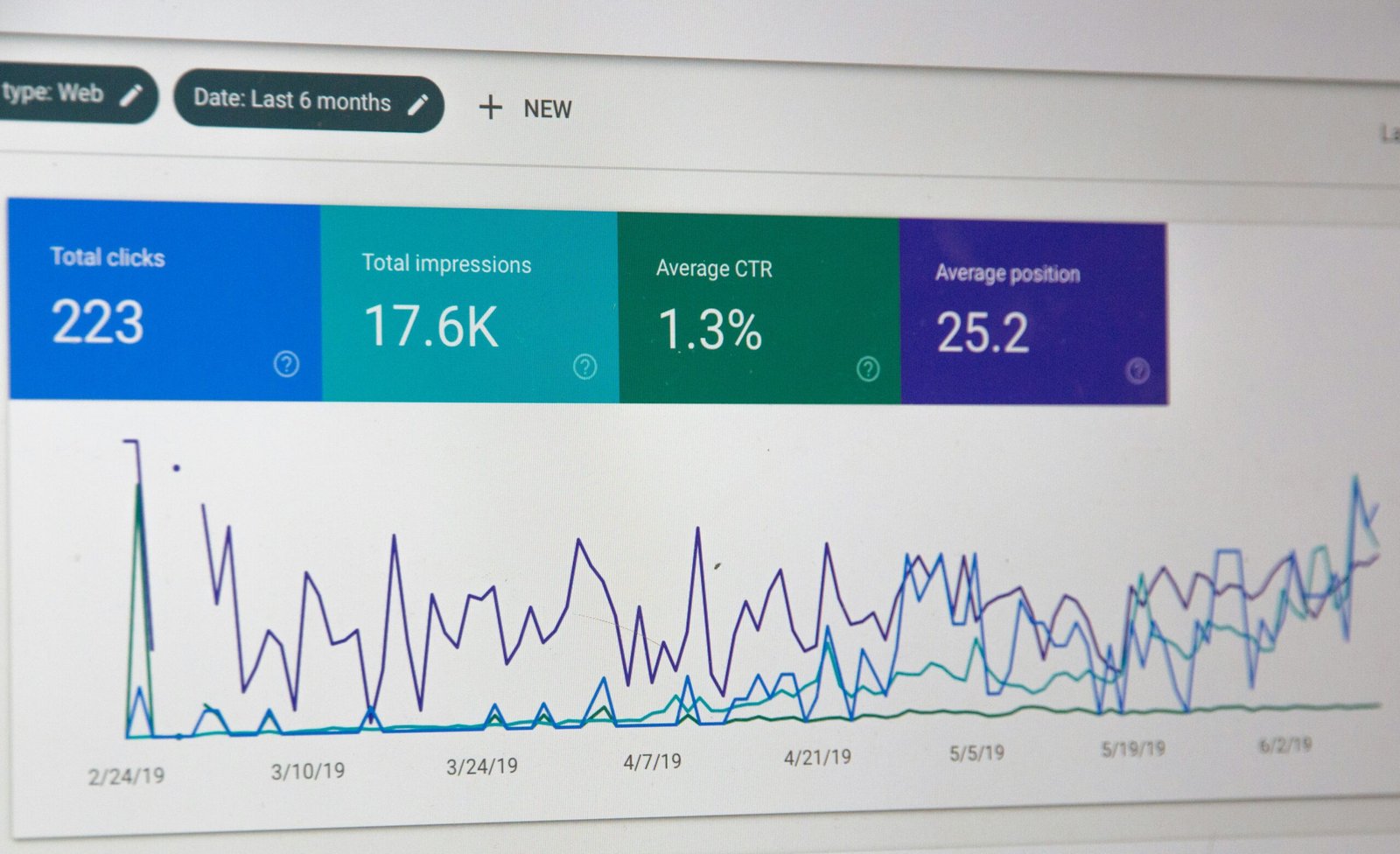
SEO requires ongoing measurement and improvement. Without reviewing results, it’s hard to evaluate progress. Regular monitoring with tools like Google Analytics and Google Search Console is essential to track traffic, user behavior, and technical issues. Compare performance over time, and investigate pages with declining traffic. Update outdated content and enhance weak titles as needed. Set realistic goals and review progress regularly, as data-driven decisions help prioritize effective improvements.
Conclusion
Website rankings are influenced by various factors, including content quality, technical performance, and user experience. Early identification of issues is crucial for businesses to maintain visibility and attract relevant visitors. Regular audits, valuable content, and thoughtful optimization contribute to sustainable improvements. It’s important to emphasize meaningful changes rather than resorting to shortcuts or making guaranteed ranking promises. Consistent monitoring allows websites to adapt to evolving search behaviors and business requirements.
Photo by Vitaly Gariev on Unsplash