
Digital marketing helps businesses reach customers, promote products, and build brand awareness online. However, small businesses often have limited budgets for advertising and promotion. A well-planned approach can help them achieve meaningful results without spending too much money. Businesses do not always need expensive tools or large advertising campaigns to grow online. Free platforms, useful content, and consistent communication can support their marketing goals. The key is to focus on activities that reach the right audience and deliver measurable results. By choosing affordable marketing methods, businesses can improve their online presence, attract potential customers, and build lasting relationships while managing their expenses effectively.
Set Clear Marketing Goals
Every successful marketing plan starts with clear goals. Businesses should identify what they want to achieve before spending money on promotional activities. Some common goals include increasing website traffic, generating leads, improving sales, and building brand awareness. Choose goals that match your business needs and available resources. Make your goals specific and measurable. For example, aim to increase website visits by 15% within three months. Clear targets help you evaluate progress and make better decisions. Avoid trying to achieve everything at once. Start with one or two priorities and expand your efforts as your business grows.
Identify Your Target Audience
Understanding your audience helps you avoid wasting money on irrelevant marketing activities. Identify the people most likely to need your products or services. Consider their age groups, interests, locations, purchasing habits, and common challenges. Customer feedback and website analytics can provide useful insights. You can also study discussions on social media to understand customer questions and preferences. These insights help you create relevant content and choose suitable marketing channels. When your message addresses real customer needs, your campaigns become more focused. This approach helps small businesses use their marketing budgets more effectively.
Use Social Media Marketing
Social media provides affordable opportunities to connect with potential customers. Platforms such as Instagram, Facebook, LinkedIn, and Pinterest can help businesses share information and build relationships. Choose platforms based on your audience rather than trying to maintain every available account. Publish useful posts, product updates, short videos, and customer stories regularly. Respond to comments and messages to encourage meaningful conversations. You can also reuse existing content in different formats to save time. Paid promotions are optional when starting. Build a consistent presence first, then consider small advertising campaigns when you understand which content attracts the most attention.
Improve Website Visibility With SEO
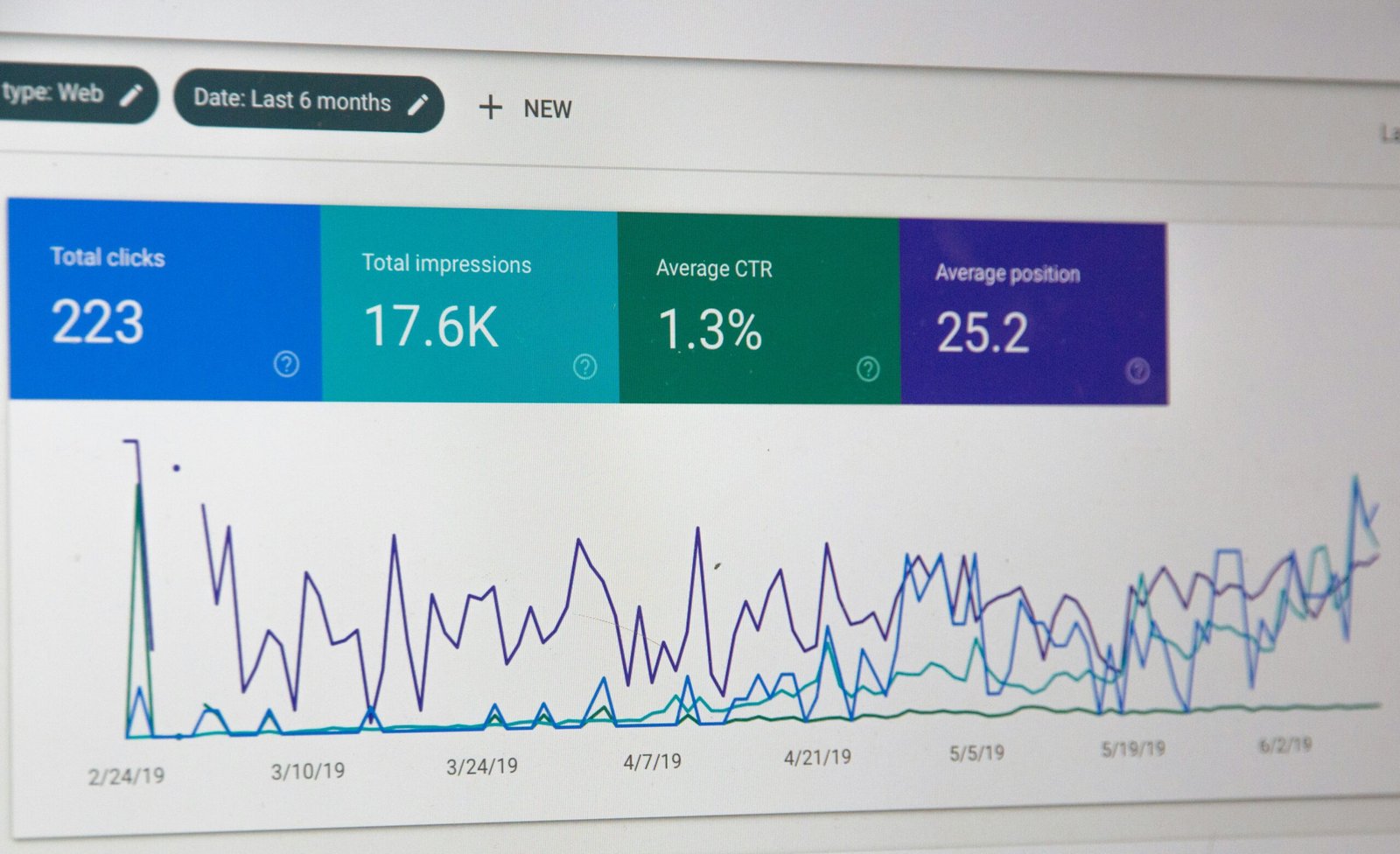
Search engine optimization helps businesses attract visitors through unpaid search results. It can be a valuable long-term investment for companies with limited promotional budgets. Start with keyword research to understand what potential customers search for online. Use relevant keywords naturally in page titles, headings, descriptions, and website content. Create helpful articles that answer common customer questions. Improve page loading speed, make navigation simple, and ensure your website works well on mobile devices. You can use free tools such as Google Search Console and Google Analytics to monitor performance. SEO takes time, but consistent improvements can help businesses build sustainable online visibility.
Create Useful Content Consistently
A strong marketing strategy allows businesses to demonstrate expertise and provide information that customers find valuable. Content marketing includes blog articles, videos, infographics, guides, and social media posts. Choose topics based on customer questions and common industry problems. A useful article can attract visitors long after its publication date. You do not need an expensive production team to create effective content. Use simple designs, clear explanations, and practical examples that help readers. Repurpose each piece of content to extend its value. For example, turn a blog article into several social media posts or a short video.
Build an Email Marketing List
Email marketing helps businesses communicate directly with interested customers. It can support customer relationships without requiring continuous advertising expenses. Offer something useful in exchange for voluntary email subscriptions. This could include a helpful guide, discount, checklist, or newsletter. Send emails containing useful advice, product updates, special offers, and relevant announcements. Keep your messages clear and avoid sending too frequently. Choose an email marketing platform with a suitable free plan when your list is small. Always obtain appropriate consent and provide an easy way to unsubscribe.
Use Free and Affordable Marketing Tools
The right tools can help small businesses manage marketing tasks more efficiently. Many platforms provide free versions or entry-level plans.
Consider these options:
- Canva: Create social media graphics, presentations, and promotional materials.
- Google Analytics: Measure website traffic and visitor behavior.
- Google Search Console: Monitor search visibility and indexing issues.
- Google Business Profile: Improve local business visibility on Google.
- Mailchimp: Explore email marketing tools and available entry-level plans.
Compare features and limitations before choosing a platform. Avoid paying for multiple tools that perform similar functions. Start with essential tools and upgrade only when your business needs additional capabilities.
Track Results and Adjust Your Spending
Measuring performance helps businesses understand which marketing activities deserve more attention. Without tracking, it becomes difficult to identify wasted effort or improve campaigns. Monitor metrics that match your goals. These may include website visits, email subscriptions, social media engagement, leads, and sales. Review your results monthly and compare them with previous performance. Identify the channels that generate meaningful engagement or conversions. Reduce spending on activities that consistently underperform. Invest more resources in strategies that show promising results. Remember that high engagement does not always lead to sales. Focus on metrics that support your actual business objectives.
Conclusion
A limited budget does not prevent businesses from building an effective online presence. Clear goals, audience research, SEO, social media, and useful content can create a strong foundation. Start with affordable tools and focus on the marketing channels that suit your customers. Track your results regularly and improve your approach based on performance. A consistent digital marketing strategy can help businesses use their resources wisely. With patience and careful planning, small businesses can strengthen brand awareness, attract potential customers, and support long-term growth.
Photo by Diggity Marketing on Unsplash