
Google indexing plays an important role in helping websites gain visibility in search results. Publishing content alone does not guarantee that people will find your pages through Google. Search engines must discover, crawl, and index your content before it can appear in relevant searches. Website owners can improve this process by following effective SEO practices. A well-organized website makes it easier for search engines to understand its content. Technical improvements, helpful articles, and relevant internal links can support better indexing. Understanding these elements helps website owners identify problems and maintain a stronger online presence. This guide explores practical strategies for improving indexing and supporting long-term SEO performance.
Understanding the Google Indexing Process
Google indexing involves analyzing and storing information about web pages in Google’s search index. The process begins when Google discovers a URL through links, sitemaps, or other sources. Googlebot may then crawl the page to access its content and resources. After crawling, Google evaluates the available information and decides whether to index the page. Factors such as content quality, duplication, accessibility, and technical settings can influence this decision. A crawled page does not automatically become indexed. Indexed pages can become eligible to appear in relevant search results. However, indexing does not guarantee rankings, impressions, or organic traffic. Website owners should therefore combine indexing improvements with broader SEO strategies.
Creating Valuable and Original Website Content
Content quality matters when building a website that performs well in search engines. Pages should provide useful information that addresses readers’ needs and expectations. Create original articles with clear explanations, accurate details, and practical examples. Avoid publishing multiple pages that repeat the same information without adding value. Each page should have a clear purpose and contribute something meaningful to the website. Organize articles with descriptive headings and readable paragraphs. Include relevant keywords naturally without repeating them excessively. Update outdated information whenever necessary to maintain accuracy. High-quality content helps search engines understand a page’s purpose. It also encourages visitors to explore related resources and spend time engaging with useful information.
Improving Website Structure and Internal Links
A clear website structure helps search engines discover important pages. Organize content into relevant categories and connect related topics through internal links. For example, a website publishing SEO guides can link articles about keyword research, technical SEO, and content optimization. These connections help visitors navigate related subjects while providing additional discovery paths for search engines. Use descriptive anchor text that accurately explains the destination page. Avoid vague phrases when a more specific description would help readers. Important pages should not remain isolated from the rest of the website. Review internal links regularly and connect valuable pages to relevant sections. A logical structure supports navigation and helps search engines understand relationships between different topics.
Submitting and Maintaining an XML Sitemap
An XML sitemap lists important URLs that website owners want search engines to discover. It can be particularly useful for large websites, newly published content, and pages with limited internal links. Include canonical URLs that return successful responses. Avoid listing broken pages, redirected URLs, and pages that should not be indexed. Update the sitemap when important URLs change. Google Search Console allows website owners to submit their sitemaps and review processing information. Check the report periodically to identify errors or unexpected issues. A sitemap helps Google discover content, but submission does not guarantee indexing. Internal links and a well-organized website remain important parts of an effective discovery strategy.
Resolving Technical Indexing Problems
Technical errors can prevent important pages from being crawled or indexed correctly. Regular website checks help identify these problems before they affect essential content. Review the robots.txt file to ensure important sections are not accidentally blocked. Check pages for unwanted noindex directives that prevent indexing. Examine HTTP status codes to identify broken URLs and server errors. Canonical tags should identify the preferred version of duplicate or similar pages. Redirects should lead visitors and search engines to appropriate destinations. Pay attention to mobile accessibility because Google primarily uses the mobile version of website content for indexing. Ensure important text, links, and resources remain accessible on mobile devices. Google Search Console’s URL Inspection tool can help diagnose issues affecting individual pages.
Optimizing Page Speed and User Experience
Website performance contributes to a positive browsing experience. Pages that load reliably help visitors access information without unnecessary delays. Compress images and remove unnecessary scripts that slow down page loading. Use reliable hosting and monitor Core Web Vitals to evaluate loading performance, responsiveness, and visual stability. Ensure that navigation menus work properly across desktop and mobile devices. Keep layouts readable and avoid intrusive elements that make content difficult to access. Page speed alone does not guarantee indexing or higher rankings. However, reliable technical performance supports usability and helps search engines access website content more efficiently.
Managing Duplicate Content Effectively
Duplicate content can create confusion when multiple URLs contain identical or substantially similar information. Search engines may select one version for indexing while leaving other versions out of search results. Review your website for duplicate pages, unnecessary URL parameters, and overlapping articles. Use canonical tags when appropriate to indicate the preferred URL. When several articles address the same topic and search intent, consider combining them into a more comprehensive resource. Redirect retired URLs when a suitable replacement exists. Avoid creating large numbers of thin pages simply to target minor keyword variations. Focus on distinct user needs and meaningful content differences instead.
Monitoring Indexing Performance With Search Console
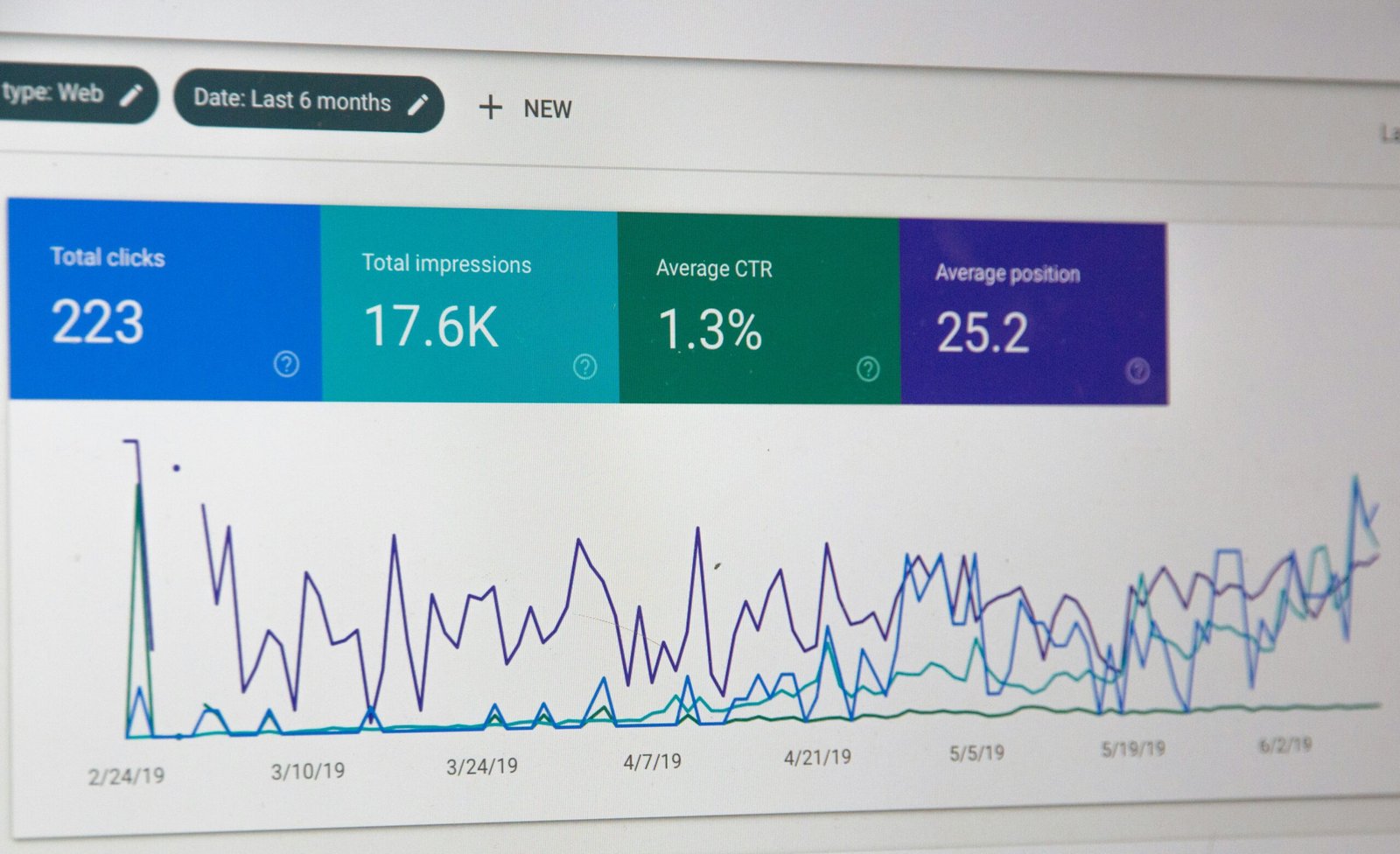
Google Search Console provides valuable information about website indexing and search visibility. Its Page Indexing report helps website owners review indexed URLs and understand reported exclusion reasons. Use the URL Inspection tool to check important pages individually. After correcting technical issues or updating significant content, you can request indexing for eligible URLs. Monitor sitemap processing and investigate unexpected indexing changes. Compare indexing information with your website structure to identify missing or unnecessary pages. Search Console also reports impressions, clicks, and search queries. These metrics help evaluate visibility after pages become indexed. Remember that indexing requests do not guarantee immediate inclusion or improved rankings.
Conclusion
Effective Google indexing strategies help search engines discover and understand important website pages. Original content, clear internal links, accurate sitemaps, and reliable technical settings provide a strong foundation. Regularly review indexing reports and correct problems affecting valuable URLs. Avoid unnecessary duplication and improve pages that offer limited information. Consistent monitoring supports a healthier website structure and stronger SEO practices. Although indexing cannot guarantee higher rankings, these improvements can help eligible pages become available for relevant Google searches.
Photo by Shutter Speed on Unsplash