
Small businesses often manage marketing, customer service, sales, and daily operations with limited resources. Artificial intelligence can simplify these responsibilities and help teams work more efficiently. Modern AI platforms support content creation, research, design, automation, and financial management. Choosing the right tools helps businesses save time without unnecessary cost increases. These tools can also help business owners understand customer needs, improve communication, and make data-driven decisions. From generating social media posts to automating routine administrative tasks, AI solutions can reduce manual work and allow employees to focus on important business goals. Many tools are also easy to use, making them suitable for businesses without technical expertise.
How AI Tools for Business Help Small Teams Work Smarter
1. ChatGPT – Best for Everyday Business Tasks
ChatGPT helps entrepreneurs draft emails, brainstorm campaigns, summarize documents, and analyze data. It can also assist with website content, customer responses, and business planning.
Best for: General productivity and marketing support.
2. Claude – Best for Writing and Document Analysis
Claude is useful for reviewing lengthy documents, organizing research, and developing detailed content. Business owners can use it to refine proposals, summarize reports, and explore ideas.
Best for: Research, writing, and document-heavy workflows.
3. Google Gemini – Best for Google Workspace Users
Gemini supports productivity across Google’s ecosystem, including Gmail, Docs, and Sheets, depending on the available plan. Teams can use its features to draft communications, organize information, and summarize work.
Best for: Businesses already using Google Workspace.
4. Canva Magic Studio – Best for Marketing Design
Small businesses can create promotional graphics, presentations, social media posts, and marketing materials using Canva’s AI-powered features. Its visual tools help non-designers produce professional-looking content.
Best for: Social media and brand design.
5. Zapier AI – Best for Workflow Automation
Zapier connects business applications and automates repetitive tasks. Its AI features can support workflows involving customer inquiries, lead management, notifications, and data entry. For example, a new customer inquiry could trigger an automated notification and update a connected spreadsheet.
Best for: Reducing repetitive administrative work.
6. HubSpot Breeze – Best for Sales and Marketing
HubSpot Breeze brings AI capabilities into customer relationship management and marketing workflows. Businesses can use its available features to support lead management, customer communication, and content creation.
Best for: Managing customer relationships and sales activities.
7. Microsoft 365 Copilot – Best for Office Productivity
Microsoft 365 Copilot assists with tasks across supported Microsoft applications. It can help users draft documents, summarize meetings, analyze spreadsheets, and prepare presentations. Its usefulness depends on the applications, subscription, and features available to each team.
Best for: Businesses relying on Word, Excel, Outlook, and PowerPoint.
8. QuickBooks with Intuit Assist – Best for Financial Administration
QuickBooks offers AI-powered capabilities that support accounting and financial workflows. Depending on availability, Intuit Assist can help with tasks such as organizing transactions and handling financial questions. Business owners should review financial records before making accounting or tax decisions.
Best for: Bookkeeping and financial administration.
9. Notion AI – Best for Team Organization
Notion AI helps teams summarize notes, organize information, draft documents, and manage knowledge. Businesses can use it to maintain project updates, internal guides, and meeting records. A small team can keep important information organized within its existing Notion workspace.
Best for: Project documentation and team collaboration.
10. Meta AI Muse – Best for Emerging Business Workflows
Meta expanded its Muse AI agent for small businesses in September 2026. The initiative connects business workflows with services such as Shopify, QuickBooks, Stripe, and Canva. These integrations aim to support operations, payments, sales, and marketing. Availability and supported features may vary as the service expands.
Best for: Small businesses exploring connected AI-assisted operations.
How to Choose the Right AI Tools
Not every business needs ten subscriptions. Start by identifying the tasks that consume the most time each week.
- Content creation: Consider ChatGPT or Claude.
- Graphic design: Explore Canva Magic Studio.
- Workflow automation: Evaluate Zapier AI.
- Customer management: Consider HubSpot Breeze.
- Financial administration: Explore QuickBooks features.
- Team productivity: Compare Gemini, Microsoft 365 Copilot, and Notion AI.
Review pricing, usage limits, integrations, and data privacy before choosing a platform. Test free plans or trials when available, and measure the time saved.
Final Thoughts
The best tools depend on your business goals, existing software, and available budget. Start with one or two solutions that address clear operational challenges. Review their results regularly and expand your toolkit only when additional features provide measurable value. With a focused approach, small businesses can improve productivity while keeping their workflows manageable.
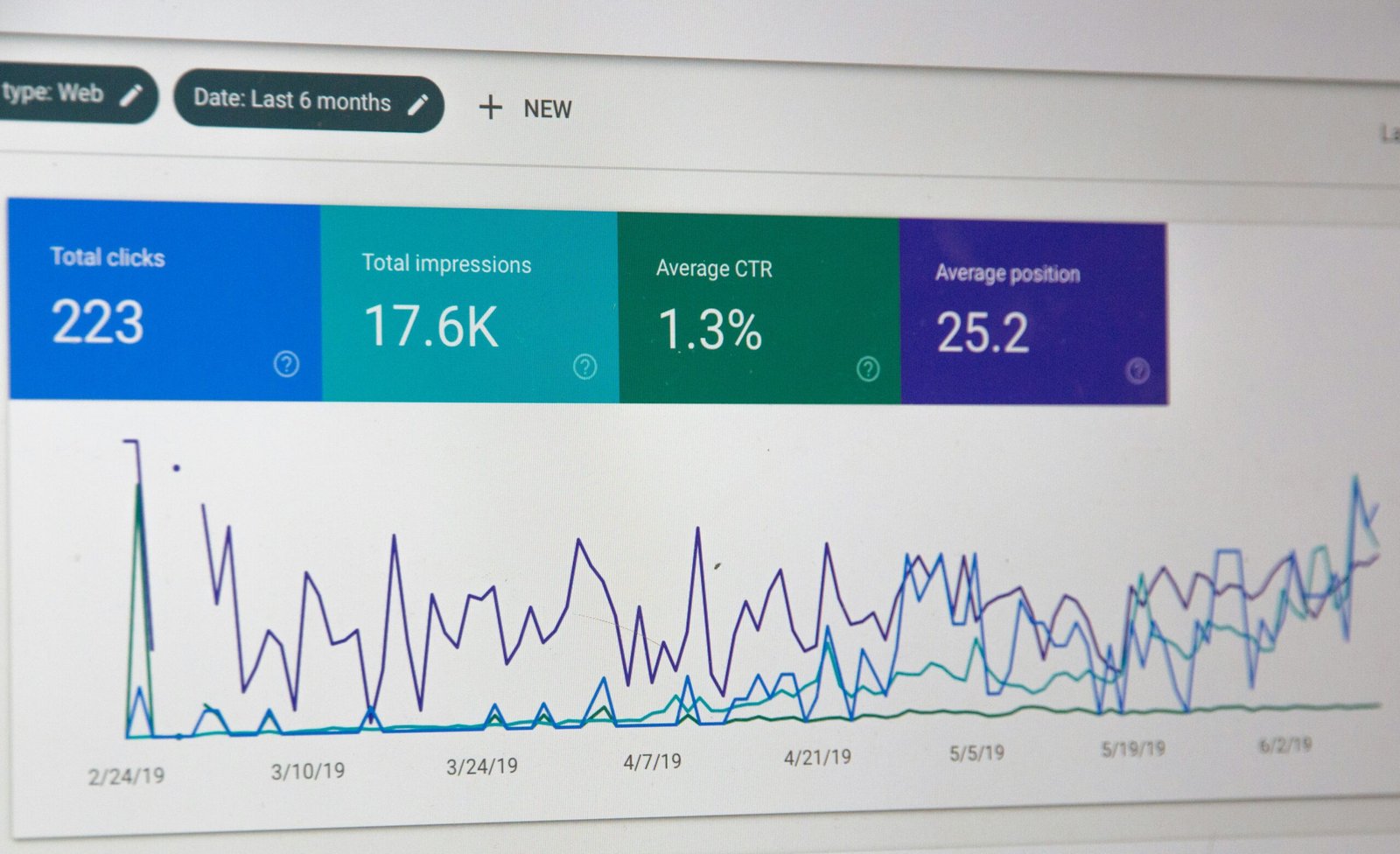
Photo by Roman Budnikov on Unsplash