
Small businesses need a strong online presence to compete in today’s digital marketplace. Search engine optimization helps businesses attract visitors and reach potential customers. Building quality links can improve website authority and support organic search visibility. However, finding effective methods can be challenging with limited time and budgets. This guide explores practical approaches that small businesses can use to earn valuable links.
One effective method is collaborating with local business associations, suppliers, and community partners to secure high-quality, relevant back-links. Publishing useful resources such as localized guides, industry statistics, or original case studies also gives other sites a compelling reason to cite your content. Furthermore, claiming active directory listings and engaging in targeted guest posting can consistently expand your reach to local customers. Reclaiming unlinked brand mentions across news articles and blogs serves as another quick, low-effort way to acquire valuable authority. By implementing these sustainable strategies, small enterprises can gradually outrank larger competitors and maintain steady organic growth.
What Is Link Building
Link building involves earning links from other websites to your own. These links help users discover useful resources across the internet. Search engines can also use links to discover pages and understand website relationships. Quality matters more than quantity when developing a strong link profile. Links from relevant, trustworthy websites can provide greater value. Businesses should focus on genuine relationships and useful content rather than shortcuts.
10 Link Building Strategies for Small Businesses
These practical methods can help small businesses build connections and improve online visibility.
1. Create High-Quality Content
Publish helpful articles, detailed guides, original research, and practical resources. Valuable content gives other website owners reasons to reference your pages. Focus on answering common questions within your industry. Make your content easy to read and share. Include useful examples, reliable information, and actionable advice. Consistently publishing valuable resources can attract natural links over time.
2. Write Guest Posts
Guest posting allows you to contribute articles to relevant industry websites. Choose publications that reach your target audience. Provide original insights that genuinely help their readers. Include links only when they support the article’s topic. Avoid websites that publish low-quality content primarily for link placement. Follow each publisher’s editorial guidelines and quality standards.
3. List Your Business in Local Directories
Local directories help customers discover businesses within their communities. Submit your business information to relevant, trustworthy directories. Include accurate contact details, opening hours, and website links. Keep your business name, address, and phone number consistent. Prioritize established directories that serve your location or industry. Avoid submitting your website to spam-filled directory networks.
4. Build Relationships With Local Businesses
Connect with businesses that serve similar audiences without directly competing. These relationships can create opportunities for collaboration and natural mentions. Consider organizing events or sharing useful community resources. For example, a local bakery could collaborate with nearby event planners. Partners might feature each other on relevant website pages. Ensure every link provides genuine value to visitors.
5. Use Broken Link Building
Broken link building involves finding links that lead to unavailable pages. Search for relevant resource pages within your industry. Identify broken links that previously directed visitors to useful content. Create or suggest a suitable replacement on your website. Contact the website owner with a polite, helpful message. Explain the broken link and offer your resource as an alternative.
6. Create Shareable Infographics
Infographics present information through simple visuals and concise explanations. They can make complex topics easier to understand. Other websites may reference your infographic when discussing related subjects. Choose a topic your audience finds useful. Use accurate data and a clear visual structure. Include a source page so interested publishers can link to your original content.
7. Participate in Industry Communities
Join relevant professional communities, forums, and online groups. Answer questions and share practical knowledge. Build trust by contributing meaningful information consistently. Include your website when community rules allow it. Avoid posting promotional links in every discussion. Genuine participation helps establish your expertise and encourages people to explore your resources.
8. Publish Original Research
Original research can attract attention from bloggers, journalists, and industry professionals. Collect useful data through surveys, customer insights, or industry analysis. Present your findings with clear explanations and supporting evidence. Create a dedicated page containing your research results. Share the findings with relevant publishers and professional contacts. Accurate, interesting data can encourage others to cite your work.
9. Reclaim Unlinked Brand Mentions
Sometimes websites mention your business without linking to your website. These mentions provide opportunities to request relevant links. Search for your business name across websites and industry publications. Contact the publisher with a friendly, professional message. Thank them for mentioning your business and request a link where appropriate. Keep your request helpful rather than demanding.
10. Sponsor Relevant Community Events
Sponsoring local events can help businesses build community relationships. Some organizers list sponsors on their official websites. These pages may provide relevant referral traffic and visibility. Choose events connected to your audience and business values. Confirm sponsorship benefits before committing your budget. Avoid sponsorships chosen solely to obtain links.
Evaluate Your Link Building Performance
Identifying activities that attract valuable links enables better marketing decisions. Review your referring domains to see which websites mention your business. Compare new links to previous results to uncover successful outreach methods. Analyze the visitors coming from external websites. Identify which referral sources bring engaged readers or potential customers. Use these insights to concentrate your efforts on relevant publications and partnerships.
Link Building Practices That Can Hurt Your Website
Not every link acquisition method supports long-term SEO growth. Private link networks, paid links designed to manipulate rankings, and automated placements can create problems. Search engines may ignore these links or apply penalties in certain circumstances. Unrelated website placements can also waste time and resources. Instead of chasing quick results, develop content that publishers genuinely want to reference. Build professional relationships, personalize outreach messages, and evaluate every opportunity carefully. These practices help protect your website’s reputation while supporting sustainable growth.
Conclusion
Effective link building can help small businesses improve visibility and connect with relevant audiences. Start with useful content, local relationships, and targeted outreach. Choose methods that match your budget and business goals. Measure results regularly and refine your approach when necessary. Focus on earning trustworthy links that benefit readers. A consistent strategy can support stronger online visibility and long-term business growth.
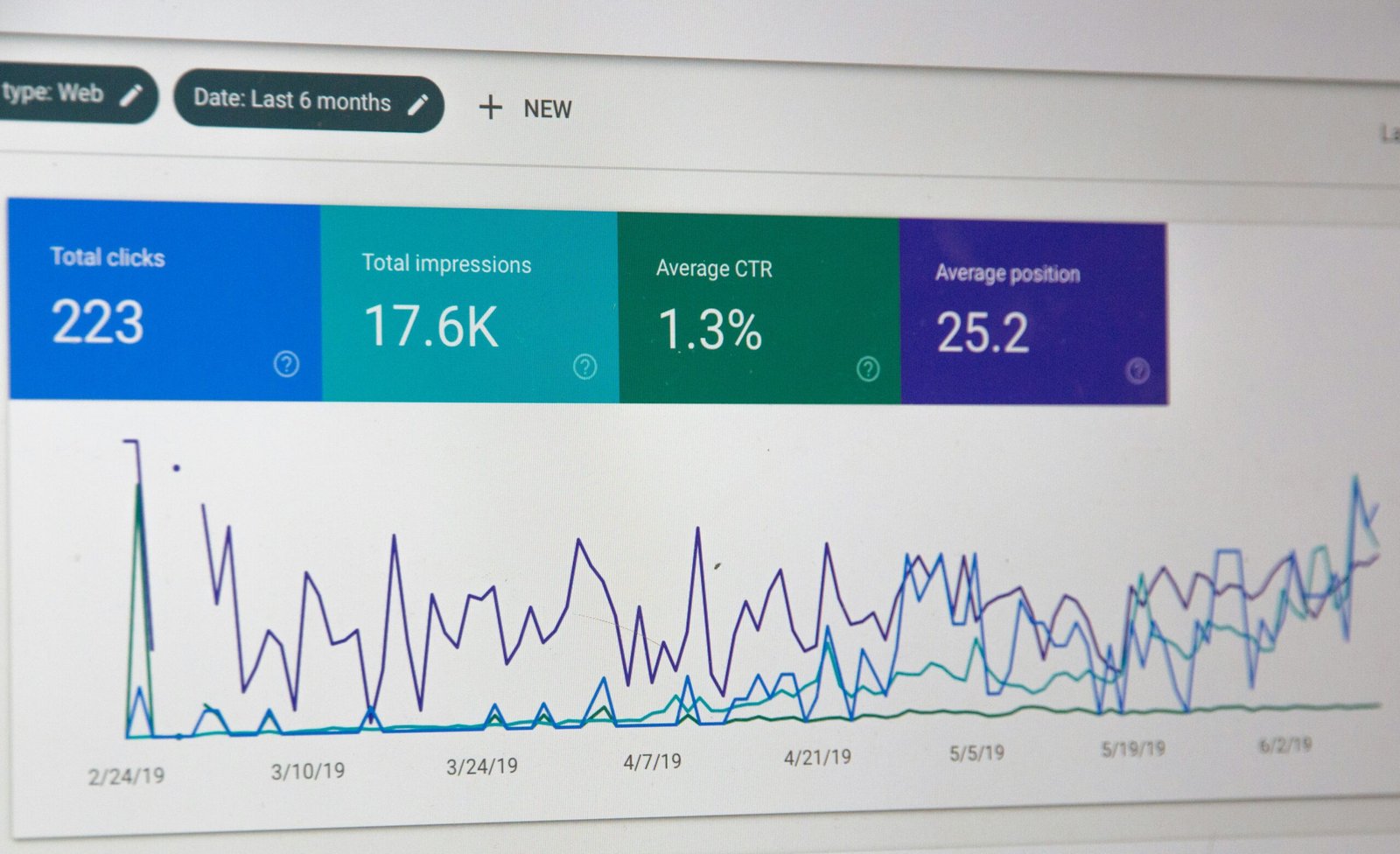
Photo by Priscilla Du Preez 🇨🇦 on Unsplash