
Small businesses need effective marketing strategies to attract customers, increase brand awareness, and compete in today’s digital marketplace. With limited budgets, choosing the right promotional methods helps business owners reach their target audiences and achieve sustainable growth. A strong online presence also helps businesses build customer trust and establish lasting relationships. By using affordable tools and understanding customer needs, small businesses can improve visibility and increase sales. This article explores practical strategies that support business growth and deliver measurable results. Leveraging cost-effective channels like content marketing, social media engagement, and localized SEO allows small enterprises to connect directly with potential buyers. Furthermore, analyzing performance metrics ensures that marketing budgets are directed toward high-performing tactics that yield maximum return on investment.
Understand Your Target Audience for Digital Marketing
Understanding your ideal customers helps you create relevant messages that attract attention and encourage meaningful interactions with your business. Research their interests, shopping habits, common challenges, preferred platforms, and purchasing decisions before developing your promotional campaigns. Customer surveys, online reviews, and website analytics provide useful insights into what potential buyers expect from your products. When you clearly understand your audience, you can focus your resources on activities that generate valuable engagement and qualified leads.
Build a Professional Business Website
A professional website creates a strong first impression and helps potential customers learn about your products, services, and business values. Ensure your website loads quickly, works smoothly on mobile devices, and provides simple navigation throughout every important page. Include clear service descriptions, contact information, customer testimonials, and compelling calls to action that encourage visitors to take meaningful steps. Your website should also communicate credibility through accurate information, consistent branding, secure browsing, and helpful content that answers customer questions.
Improve Search Engine Visibility
Search engine optimization helps your website appear when potential customers search online for relevant products, services, or solutions. Start by identifying keywords that match customer intent and naturally include them in page titles, headings, descriptions, and helpful content. Publish informative articles that answer common questions and provide practical guidance related to your industry and customer needs. Improve page loading speed, optimize images, create descriptive URLs, and maintain a clear website structure for better usability. Consistent optimization helps small businesses attract relevant visitors without depending entirely on paid advertising campaigns.
Use Social Media Effectively
Social media platforms allow small businesses to connect directly with customers, share updates, and develop recognizable brand identities. Choose platforms based on your audience’s preferences rather than attempting to maintain an active presence everywhere. Share useful tips, product demonstrations, customer experiences, behind-the-scenes content, and occasional promotional offers that encourage genuine conversations. Respond promptly to comments and messages to demonstrate reliability while building stronger relationships with existing and potential customers. A consistent posting schedule helps maintain visibility and makes your business easier for interested customers to remember.
Create Valuable Content
Content creation helps establish expertise, answer customer questions, and provide useful information before people decide to buy. Develop blog posts, short videos, infographics, tutorials, and frequently asked questions that address common problems within your industry. For example, a local bakery could publish cake decorating tutorials, seasonal recipes, and practical advice for choosing celebration cakes. Focus on providing original information instead of repeatedly promoting products without offering meaningful value to your audience. A well-planned Digital Marketing approach combines useful content with clear business goals, helping attract relevant visitors and encourage long-term customer engagement.
Invest in Email Marketing
Email marketing provides a cost-effective way to communicate with interested customers and maintain relationships after their initial purchases. Build your subscriber list through website forms, special offers, useful downloadable resources, and voluntary newsletter registrations. Send helpful updates, product announcements, exclusive discounts, and personalized recommendations based on subscribers’ interests and previous interactions. Keep messages concise, use descriptive subject lines, and include one clear action that recipients can easily understand. Always obtain appropriate permission before sending promotional emails and provide a simple unsubscribe option to respect customer preferences.
Explore Local Marketing Opportunities
Local promotional activities help small businesses reach nearby customers who are more likely to visit physical locations or request local services. Create and maintain a complete Google Business Profile with accurate contact details, opening hours, photographs, and service information. Encourage satisfied customers to share honest reviews and respond professionally to feedback, including complaints that require thoughtful attention. Use location-specific keywords across relevant website pages to improve visibility for searches involving your city or neighborhood. Collaborating with nearby businesses, attending community events, and sponsoring local activities can also introduce your brand to new audiences.
Use Paid Advertising Carefully
Paid advertising can generate targeted traffic quickly when campaigns focus on appropriate audiences, clear offers, and realistic business objectives. Platforms such as Google Ads and social media advertising tools provide targeting options based on interests, locations, and search behavior. Start with a manageable budget, test different advertisements, and monitor performance before increasing your advertising investment. Track metrics such as click-through rates, conversion rates, cost per lead, and customer acquisition costs to evaluate campaign effectiveness. Avoid spending heavily on advertisements until you understand which messages and audiences produce meaningful business results.
Measure Performance and Improve
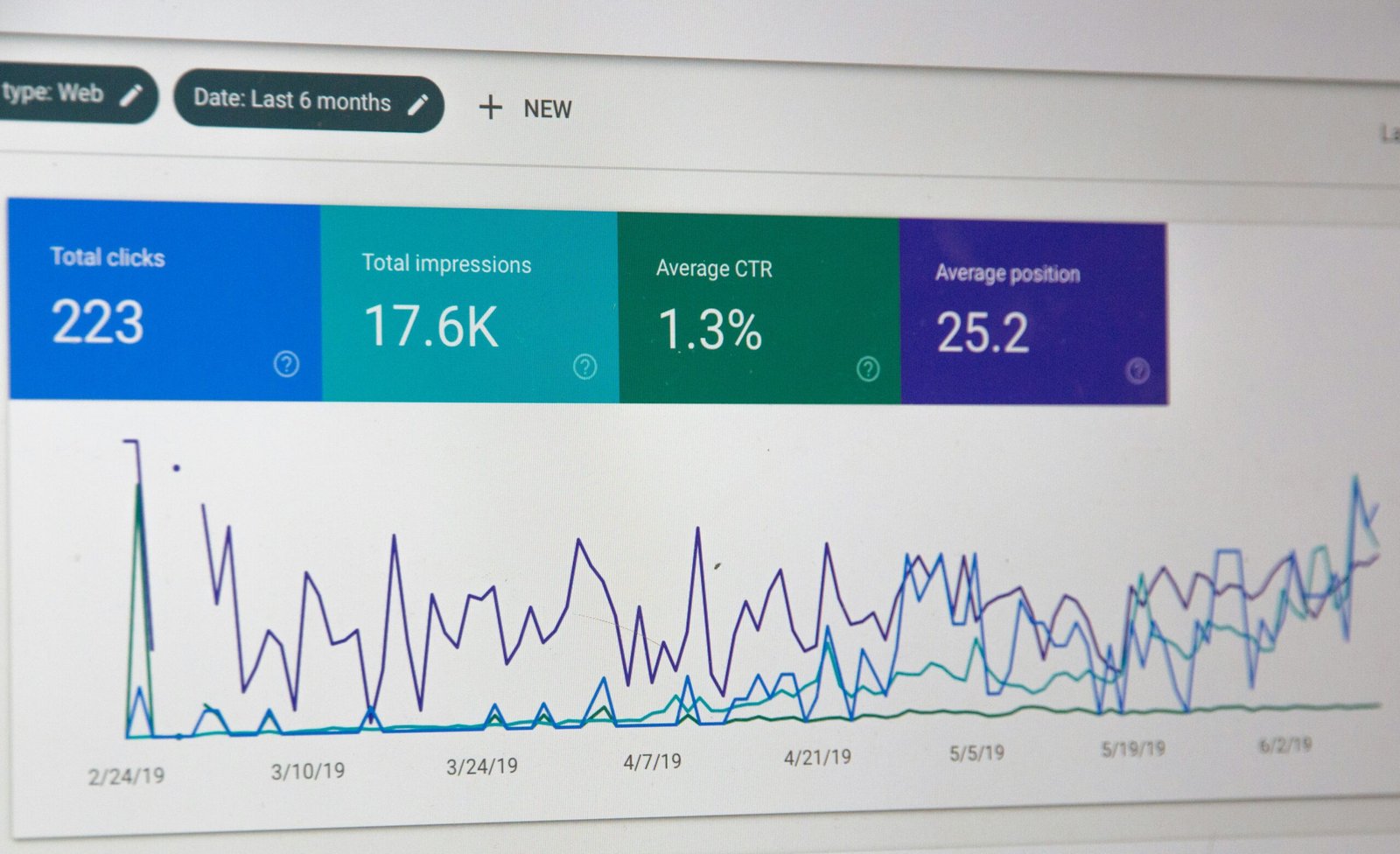
Regular performance reviews help business owners identify successful activities, eliminate unnecessary expenses, and make informed promotional decisions. Use website analytics, advertising reports, email statistics, and customer feedback to understand how people interact with your business. Compare actual results against specific goals, such as increasing inquiries, generating sales, improving website traffic, or growing newsletter subscriptions. Experiment with different headlines, content formats, landing pages, and promotional offers to discover what works best. Small improvements made consistently can strengthen overall performance without requiring substantial increases in your marketing budget.
Conclusion
Growing a small business requires consistent communication, customer understanding, and practical promotional activities that support measurable commercial objectives. Start with a professional website, useful content, local visibility, and social media engagement before expanding into additional channels. Choose strategies that match your audience, available resources, and long-term goals rather than following every emerging marketing trend. By reviewing results regularly and adapting your approach, your business can build stronger customer relationships and achieve sustainable growth over time.
Photo by Carlos Muza on Unsplash