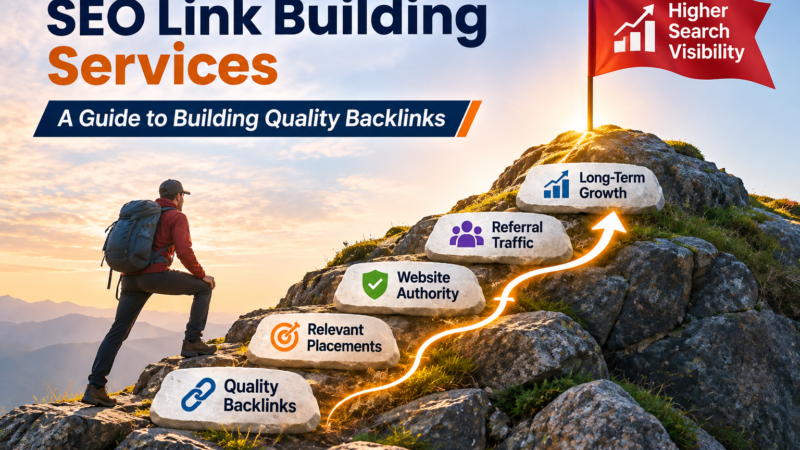

Building a successful website requires more than publishing useful content and optimizing pages for search engines. Businesses also need to improve their website’s credibility, visibility, and connections with other websites. Backlinks are an important part of this process because they allow visitors to discover related resources and help search engines understand how websites are connected. However, getting valuable backlinks requires research, relationship building, and a consistent strategy. Understanding how to get backlinks can help website owners identify suitable opportunities and develop a stronger online presence. By focusing on relevant websites and useful content, businesses can build a natural backlink profile that supports their long-term SEO goals.
Understanding the Importance of Backlinks
Backlinks are hyperlinks from external websites that point to pages on your website. They are also known as inbound links. Search engines can use backlinks as one of several signals when evaluating the relevance and authority of web pages. Understanding how to get backlinks is important for improving website visibility and building connections with relevant websites. When a trusted website references your content, it can help search engines discover that page and understand its connection to other resources. Backlinks can also bring referral traffic from visitors who click links while reading articles, guides, or industry publications. However, not all backlinks provide the same value. Links from relevant websites with useful content are generally more meaningful than links from unrelated or low-quality sources. Businesses should focus on earning links that make sense for readers rather than collecting large numbers of backlinks.
How to Get Backlinks Through Useful Content
Creating valuable content is one of the most sustainable ways to attract backlinks. Website owners, bloggers, and publishers are more likely to reference information that helps their audiences. Businesses can publish detailed guides, original research, practical tutorials, industry reports, and informative articles that answer common questions. For example, a digital marketing website could create a guide explaining important SEO practices, while a technology company could publish research about industry trends. Content should be accurate, easy to understand, and supported by useful information. Adding relevant examples, statistics, and clear explanations can make a resource more valuable to readers. When content provides something worth referencing, other websites may naturally link to it.
Create Original Research and Statistics
Original research can attract attention from journalists, bloggers, and industry websites. Businesses can conduct surveys, analyze industry data, or publish reports that provide useful findings. For example, a company could study customer preferences, website performance trends, or changes in a particular industry. Presenting the findings through clear explanations and simple charts can make the information easier to reference. Other publishers may link to the research when discussing related topics. Businesses should ensure that their findings are accurate and explain how the information was collected. Original data can help establish credibility and provide opportunities to understand how to get backlinks from relevant websites.
Publish Helpful Guides and Resources
Detailed guides and educational resources can become useful references for other websites. Businesses should identify common questions within their industry and create content that provides clear answers. Step-by-step tutorials, checklists, glossaries, and practical resources can help readers understand complicated subjects. Content should be organized with descriptive headings and examples so visitors can find information easily. Updating these resources regularly can also maintain their usefulness. When a guide provides detailed information that other publishers find helpful, it may earn backlinks over time.
How to Get Backlinks Through Guest Posting
Guest posting involves writing articles for other websites and including a relevant reference to your own website when it provides genuine value to readers. This method allows businesses to reach new audiences, share industry knowledge, and build relationships with publishers. Start by identifying blogs and publications that cover topics related to your business. Review their existing articles, audience, editorial guidelines, and content quality before suggesting a contribution. The article should be original, informative, and relevant to the publication. Avoid websites that publish unrelated guest articles primarily to sell backlinks. A useful guest contribution should benefit the host website’s readers rather than exist only to place a link.
Build Relationships with Website Owners
Developing relationships with bloggers, editors, and website owners can create future linking opportunities. Businesses can begin by reading their content, sharing useful resources, and engaging with relevant discussions. When contacting publishers, messages should be personalized and explain why the suggested content would benefit their audience. Avoid sending generic emails that request links without providing a clear reason. Professional communication and genuine collaboration can help build long-term relationships. These connections may lead to guest contributions, interviews, expert quotes, and other relevant references.
Use Broken Link Building Opportunities
Broken link building involves finding links on external websites that lead to missing or unavailable pages and suggesting a suitable replacement. This approach can help website owners improve their pages while giving businesses an opportunity to introduce useful content. Start by researching websites within your industry and checking their resource pages or relevant articles for broken links. If you discover a missing resource, look for a page on your own website that provides similar information. Contact the website owner, explain the issue politely, and suggest your page as a possible replacement. The suggested content should closely match the original topic so that the replacement is genuinely helpful to readers.
Find Relevant Resource Pages
Resource pages collect useful websites, tools, guides, and references related to a specific subject. They can provide opportunities for businesses whose content offers additional value to a particular audience. Search for resource pages connected to your industry and review the existing links before making a suggestion. For example, a website publishing educational material about online marketing may be suitable for a digital marketing resource page. When contacting the website owner, explain what your resource covers and why it would benefit their visitors. Avoid requesting placement on unrelated pages simply to gain a backlink. Relevance and usefulness should remain the main priorities.
Use Digital PR to Earn Backlinks
Digital public relations involves gaining online attention through useful information, expert opinions, original research, and newsworthy content. Businesses can share industry insights, provide expert comments, or publish reports that journalists and bloggers may reference. For example, a company specializing in cybersecurity could offer expert explanations about online safety trends. A business with original survey results could share its findings with relevant publications. When pitching ideas, provide clear information and explain why the topic matters to the publication’s audience. Digital PR can help businesses improve brand awareness while earning relevant references from trusted websites.
Analyze Competitor Backlinks
Competitor backlink analysis helps businesses discover websites that link to similar companies. SEO tools can be used to review competitor backlink profiles and identify referring domains, linking pages, and relevant content opportunities. For example, if several competitors receive links from industry blogs or educational resources, those websites may also be worth researching. However, businesses should evaluate every opportunity independently. A competitor’s backlink is not automatically suitable for another website. Consider the linking site’s topic, audience, editorial standards, and relevance before contacting its owner. Competitor research can help businesses understand how to get backlinks from relevant websites rather than encourage copying every existing link.
Common Backlink Building Mistakes to Avoid
Some backlink practices can provide little value or create risks for a website. Businesses should avoid buying large quantities of low-quality links, participating in link schemes, using irrelevant anchor text, and publishing duplicate guest articles across unrelated websites. Another common mistake is focusing only on domain authority scores without checking the website’s content, audience, and editorial quality. Excessive use of exact-match anchor text can also make a backlink profile appear unnatural. Instead, businesses should prioritize relevant websites, useful content, and genuine editorial references. Regularly reviewing backlink profiles can help identify suspicious links and understand the overall quality of a website’s link profile.
Monitor Your Backlink Profile Regularly
Building backlinks is only one part of managing a website’s link profile. Businesses should also monitor new and lost backlinks, referring domains, anchor text, and the quality of linking websites. SEO tools can help identify changes and provide information about where links originate. Monitoring these details makes it easier to understand which activities are producing useful opportunities. It can also help businesses identify unexpected changes that require investigation. A regular review schedule allows website owners to evaluate their progress and adjust their strategies when necessary. Consistent monitoring supports a more organized approach to link building.
Conclusion
Building quality backlinks requires time, research, and a focus on providing value to other websites and their audiences. Businesses can create useful resources, contribute guest articles, identify broken links, explore resource pages, and use digital PR to develop relevant linking opportunities. Understanding how to get backlinks also involves analyzing competitors, maintaining professional relationships, and monitoring backlink quality. Rather than focusing on the number of links acquired, website owners should prioritize relevance, trust, and genuine value. With consistent effort and responsible SEO practices, businesses can develop a stronger backlink profile and support their long-term online visibility.
Photo by Stephen Phillips – Hostreviews.co.uk on Unsplash