
Improving a website’s visibility in search engines requires consistent effort, proper planning, and the right optimization strategies. Businesses need to work on different areas, including keyword research, content creation, technical improvements, and link building, to attract relevant visitors. However, managing all these activities independently can be challenging, especially for businesses with limited time and resources. SEO packages provide a structured way to access different optimization services based on a website’s needs and marketing goals. They help businesses organize their SEO activities, manage costs, and work toward improving their online presence.
Understanding the Importance of SEO
Search engine optimization (SEO) involves improving a website so that search engines can understand its content and display relevant pages in search results. It includes several activities that help websites attract organic traffic and reach people searching for related products, services, or information. A well-planned SEO strategy can improve search visibility, strengthen brand awareness, and create a better experience for website visitors. Since search trends and search engine algorithms can change, businesses need to review and update their optimization strategies regularly. Consistent SEO efforts can help businesses maintain their online presence and compete more effectively in their industries.
What SEO Packages Include
Different seo packages offer different combinations of services depending on the provider, pricing, and business requirements. Some focus on basic website optimization, while others include advanced technical SEO, content development, and backlink strategies. Common services include the following.
1. Keyword Research
Keyword research identifies the words and phrases people use when searching for products, services, or information online. It helps businesses understand their target audience and select relevant search terms for website pages and blog posts. SEO specialists may analyze search volume, keyword difficulty, competition, and search intent to identify suitable opportunities. This research helps businesses create content that matches what potential customers are looking for and supports a more organized content strategy.
2. On-Page SEO
On-page SEO focuses on improving individual website pages to make their content easier for search engines and visitors to understand. It includes optimizing title tags, meta descriptions, headings, URLs, images, and internal links. Specialists may also review keyword placement, content structure, and page readability to ensure that each page provides useful information. These improvements help create a clear website structure and make it easier for visitors to navigate between related pages.
3. Technical SEO
Technical SEO addresses website elements that affect crawling, indexing, and overall performance. It may include improving page loading speed, checking mobile responsiveness, fixing broken links, reviewing redirects, and creating XML sitemaps. Specialists may also examine robots.txt settings, canonical tags, HTTPS security, and structured data where appropriate. Resolving technical problems helps search engines access important pages and provides a stronger foundation for other SEO activities.
4. Content Creation and Optimization
Useful content helps businesses answer customer questions, explain their services, and provide information related to their industry. Content services may include writing blog posts, updating existing pages, creating service descriptions, and improving website copy. Specialists may also identify content gaps and recommend topics based on keyword research and audience interests. The focus should be on producing original, relevant, and informative content rather than adding keywords unnecessarily.
5. Link Building
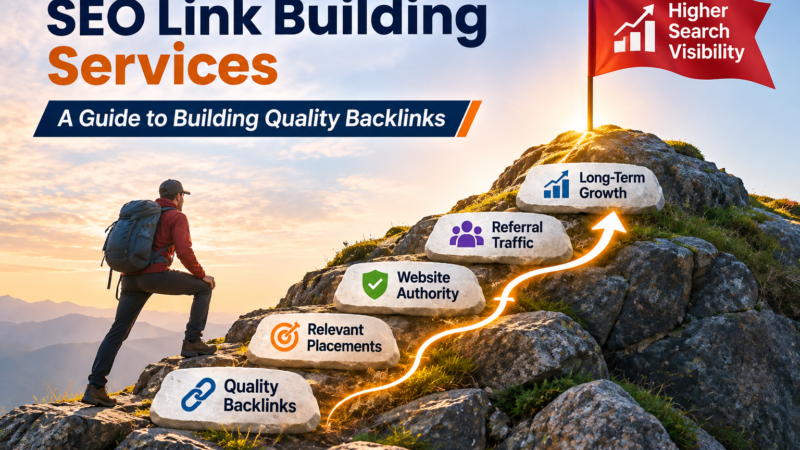
Link building involves acquiring relevant backlinks from other websites that point to a business’s website. These links can help search engines discover pages and understand their relationship with other online resources. Common strategies include guest posting, digital PR, resource-page outreach, and creating content that other websites may reference. Quality and relevance should be prioritized over the number of backlinks, as unrelated or low-quality links may provide little value.
6. Performance Tracking and Reporting
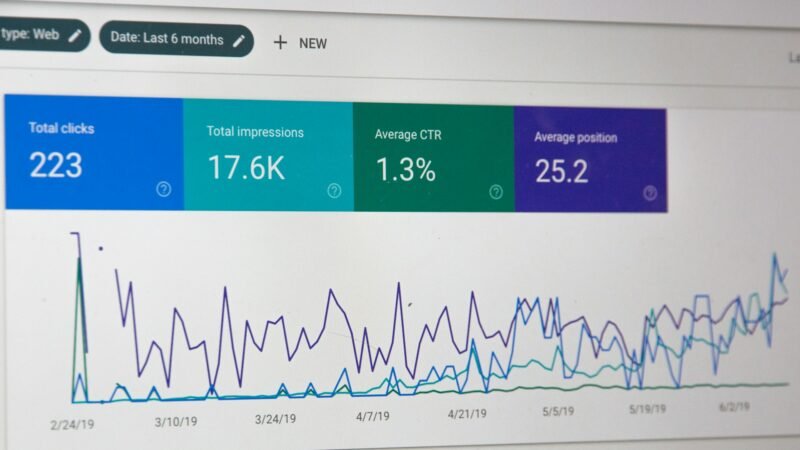
Performance tracking helps businesses understand how their SEO activities are progressing. Reports may include information about organic traffic, keyword rankings, search impressions, clicks, conversions, and backlink growth. Tools such as Google Analytics and Google Search Console provide useful information about website performance and visitor behavior. Regular reporting helps businesses identify successful activities, discover problems, and make informed decisions about future improvements.
Different Types of SEO Plans
SEO providers often offer different service levels to meet the needs of businesses at various stages of growth. The available options may vary, but most plans can be grouped into a few common categories.
1. Basic SEO Plans
Basic plans are generally suitable for small businesses, startups, and newly launched websites that need to establish their online presence. They may include keyword research, basic on-page optimization, website analysis, and limited performance reporting. These plans provide an introduction to SEO and help businesses address essential website improvements without committing to a larger campaign. However, the services included and the amount of work performed can vary between providers.
2. Standard SEO Plans
Standard plans usually cover a wider range of optimization activities for businesses that want to improve their search visibility. They may include regular content optimization, technical SEO checks, keyword tracking, internal linking, and backlink development. These plans are often suitable for growing businesses that already have a website and want to attract more relevant organic traffic. The combination of services allows businesses to address several SEO areas through a more organized strategy.
3. Advanced SEO Plans
Advanced plans are designed for established businesses, competitive industries, and websites that require more extensive optimization. They may include detailed technical audits, comprehensive keyword research, content strategies, competitor analysis, digital PR, and ongoing link-building campaigns. These plans may also provide more detailed reporting and regular strategy reviews. Businesses with larger websites or multiple target markets may benefit from the broader range of activities included in advanced campaigns.
Benefits of Choosing an SEO Plan
Choosing seo packages can help businesses organize their optimization activities and manage their marketing resources more effectively. Instead of arranging individual services separately, businesses can access several related activities through one provider and follow a structured approach.
1. Organized SEO Activities
A structured plan helps businesses understand which optimization activities will be performed and how they support overall marketing goals. It connects keyword research, technical improvements, content development, and link building within a consistent strategy. This organization makes it easier to prioritize tasks and monitor progress over time.
2. Better Budget Management
SEO plans allow businesses to compare available services and select options that match their budgets. Instead of paying separately for every activity, they can review the services included in different plans and understand the expected costs. Businesses should still check for additional charges, contract terms, and service limitations before making a decision.
3. Access to SEO Expertise
Working with an SEO provider gives businesses access to specialists who understand different optimization methods and tools. Their knowledge can help identify website problems, research keyword opportunities, and recommend suitable improvements. This can be particularly useful for businesses that do not have an internal SEO team.
4. Consistent Performance Monitoring
Regular optimization and reporting help businesses understand how their websites perform in search results. Monitoring traffic, rankings, and conversions can reveal areas that need attention and help providers adjust their strategies. Consistent tracking also makes it easier to evaluate whether the selected services are supporting business objectives.
How to Choose the Right SEO Provider
Selecting an SEO provider requires more than comparing prices. Businesses should review the services included, the provider’s experience, communication methods, and reporting practices before making a decision. It is important to understand whether the plan includes technical audits, content updates, backlink activities, and regular performance reviews. Businesses should also ask how the provider measures results and whether the strategy will be adjusted according to website performance. Avoid providers that guarantee specific rankings or promise immediate results, as SEO outcomes depend on competition, website quality, search intent, and other factors. A reliable provider should explain its methods clearly and set realistic expectations.
Common Mistakes to Avoid When Selecting an SEO Plan
Choosing a plan based only on its price can lead to unsuitable services or unrealistic expectations. Businesses should avoid selecting plans that promise large numbers of backlinks without explaining their quality or relevance. It is also important not to overlook technical SEO, content quality, or regular reporting when comparing providers. Another common mistake is expecting immediate ranking improvements because SEO generally requires consistent work and time. Reviewing the service details, understanding the provider’s approach, and matching the plan to specific business goals can help avoid these problems.
Choosing SEO Packages for Long-Term Business Growth
SEO requires continuous attention because websites, competitors, and search trends change over time. The right seo packages can help businesses improve website performance, create relevant content, strengthen backlink profiles, and attract potential customers through organic search. Before selecting a plan, businesses should evaluate their current website condition, identify their marketing goals, and compare the services offered by different providers. A suitable strategy should focus on useful improvements rather than simply offering a large number of activities. Consistent optimization, regular performance reviews, and realistic expectations can help businesses build a stronger online presence.
Conclusion
Choosing the right SEO plan can help businesses improve their search visibility and reach a relevant audience. SEO packages provide access to essential optimization activities, including keyword research, technical improvements, content development, and link building. Businesses should compare service details, pricing, and reporting methods before selecting a provider. With a suitable plan and consistent effort, they can strengthen their online presence and work toward sustainable growth.
Photo by Lukas Müller on Unsplash