
Having a website is important for businesses that want to reach customers online. However, simply creating a website does not guarantee visibility in search engines. Businesses need to improve their website content, structure, and overall performance to appear in relevant search results. Professional seo services help businesses develop effective optimization strategies, attract relevant visitors, and build a stronger online presence while supporting their digital marketing goals and long-term growth.
Understanding the Importance of SEO
SEO involves improving different elements of a website so search engines can understand its content and determine its relevance to users’ searches. It includes activities such as keyword research, content optimization, technical improvements, and link building. These activities help businesses reach people searching for information or services related to their industry. A strong SEO strategy can improve search visibility, attract organic traffic, increase brand awareness, and create a better user experience. Unlike paid advertising, organic search traffic does not require businesses to pay for every individual click. However, SEO requires consistent effort because search trends, competitors, and search engine algorithms can change over time.
What Professional SEO Services Include
SEO involves several activities that work together to improve a website’s search performance. Professional seo services typically cover different areas of optimization based on a website’s current condition, industry, competition, and business objectives.
1. SEO Audits and Website Analysis
An SEO audit is often the first step in an optimization campaign. It helps identify technical problems, content gaps, and other issues that may affect a website’s visibility in search results. The process may include checking page loading speed, mobile usability, broken links, duplicate content, indexing errors, and website structure. Specialists may also review existing keyword rankings, organic traffic, and competitor websites to understand how the site performs. The findings provide a clear picture of areas that need improvement and help create a practical SEO plan based on the website’s requirements.
2. Keyword Research
Keyword research involves identifying the words and phrases people use when searching for products, services, or information online. Selecting relevant keywords helps businesses understand their audience’s interests and create content that matches search intent. The process usually includes analyzing search volume, keyword difficulty, competition, and related search terms. For example, a company offering website design services may target phrases related to website development, business website design, and website maintenance. Professional seo services can help identify suitable keywords and organize them around relevant website pages, blog posts, and service descriptions. This makes it easier to create content that connects with the right audience.
3. On-Page SEO
On-page SEO focuses on improving individual website pages so search engines and visitors can understand their content. It includes optimizing title tags, meta descriptions, headings, URLs, images, and internal links. Keywords should be included naturally in relevant sections without affecting readability. Content should also be organized with clear headings and informative paragraphs so visitors can find the information they need. Adding descriptive image alt text and linking to related pages can further improve accessibility and navigation. These improvements help create a clear structure while making each page more relevant to its intended topic.
4. Technical SEO
Technical SEO focuses on the behind-the-scenes elements that help search engines crawl, access, and index a website. Even useful content may struggle to perform if search engines cannot properly access important pages. Technical activities may include improving website speed, checking mobile responsiveness, fixing crawl errors, creating XML sitemaps, and reviewing robots.txt settings. Specialists may also check redirects, canonical tags, HTTPS security, and structured data where appropriate. Addressing these issues helps create a technically sound website and provides a stronger foundation for other optimization activities.
5. Content Optimization
Content plays an important role in attracting visitors and answering their questions. Content optimization involves reviewing existing website pages and improving their quality, relevance, and usefulness. This may include updating outdated information, improving headings, adding relevant examples, covering missing topics, and removing unnecessary repetition. Businesses can also create new blog posts, guides, landing pages, and service descriptions based on their audience’s needs. The objective is to provide clear and helpful information rather than simply adding keywords to increase content length. Useful content can help establish credibility and encourage visitors to explore other sections of a website.
6. Link Building
Link building involves acquiring links from other websites that direct visitors to your website. These links, known as backlinks, can help search engines understand the relationship between websites and may support a site’s authority. Common link-building methods include guest contributions, digital PR, relevant business directories, resource-page outreach, and creating informative content that other websites may reference. However, not all backlinks provide the same value. Links from relevant and trustworthy websites are generally more useful than large numbers of unrelated links. A responsible link-building strategy focuses on relevance, quality, and natural link acquisition rather than manipulative practices.
Benefits of Hiring SEO Specialists
Managing SEO requires research, technical knowledge, content planning, and regular performance monitoring. Businesses without dedicated SEO teams may find it difficult to handle all these activities consistently. Hiring professional seo services can help businesses organize their optimization efforts and focus on their main operations while specialists manage different SEO tasks.
Access to Specialized Knowledge
SEO specialists have experience with keyword research, website analysis, content optimization, and technical improvements. They can use different research tools to identify problems and understand opportunities within a particular industry. Their knowledge can help businesses make informed decisions instead of relying on random optimization changes. Specialists can also review search trends and competitor activities to recommend strategies that match the website’s goals.
Better SEO Planning
A structured SEO plan connects different optimization activities and gives businesses a clear direction. It may include keyword selection, content development, technical improvements, and backlink opportunities. Planning these activities helps ensure that website pages target relevant topics and support the same marketing objectives. Regular reviews also make it easier to adjust the strategy when performance changes or new opportunities appear.
Saves Time and Resources
SEO requires ongoing attention, and managing every activity internally can take considerable time. Businesses may need to research keywords, update content, resolve technical issues, and monitor rankings regularly. Outsourcing these responsibilities allows business owners and internal teams to concentrate on their primary operations while specialists handle optimization tasks. It can also provide access to expertise without requiring a company to build a complete in-house SEO team.
Measurable Performance Tracking
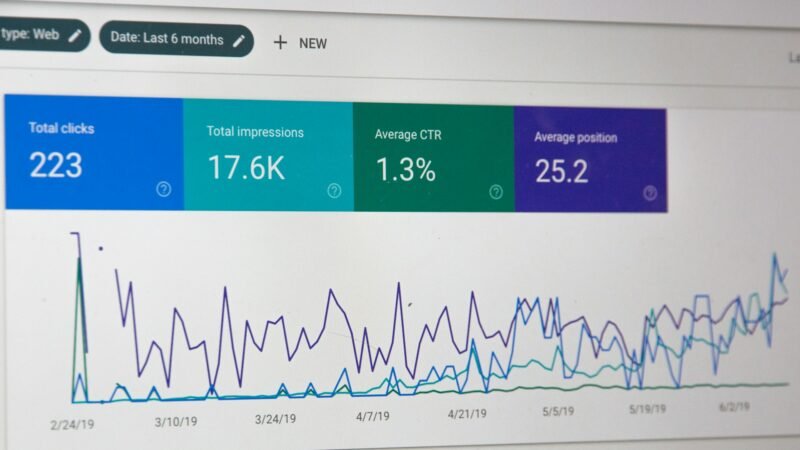
SEO campaigns can be monitored using metrics such as organic traffic, keyword rankings, search impressions, clicks, and conversions. Tools such as Google Analytics and Google Search Console can provide useful information about website performance and visitor behavior. Regular reporting helps businesses understand which pages are attracting visitors, which keywords are performing well, and where further improvements are needed. Measuring results also makes it easier to evaluate whether the SEO strategy supports the business’s objectives.
How to Choose the Right SEO Agency
Choosing an SEO agency requires careful consideration because its approach can influence a website’s long-term search performance. Businesses should review the provider’s experience, services, communication methods, and reporting process before making a decision. It is useful to ask about previous projects, the activities included in the service package, and how progress will be measured. Businesses should also avoid agencies that promise guaranteed rankings or immediate results because SEO outcomes depend on several factors. A reliable provider should explain its recommendations clearly, set realistic expectations, and provide regular updates about completed work and campaign performance.
Common SEO Mistakes Businesses Should Avoid
Certain SEO mistakes can reduce the effectiveness of an optimization strategy and create a poor experience for website visitors. Keyword stuffing, publishing low-quality content, ignoring mobile usability, and building irrelevant backlinks are common problems businesses should avoid. Technical issues such as broken links, slow-loading pages, duplicate content, and indexing errors should also be reviewed regularly. Another mistake is focusing only on rankings without considering whether the website attracts relevant visitors or generates meaningful conversions. Businesses should prioritize useful content, a clear website structure, and consistent performance monitoring to maintain a sustainable SEO strategy.
Choosing Professional SEO Services for Long-Term Growth
SEO is an ongoing process that requires regular evaluation and improvements. Search trends change, competitors update their websites, and search engine algorithms continue to evolve. The right professional seo services can help businesses improve website structure, create relevant content, resolve technical problems, and develop a stronger backlink profile. Before selecting a provider, businesses should identify their goals, compare available services, and understand how results will be measured. A consistent approach supported by useful content, sound technical practices, and relevant optimization can help businesses strengthen their online presence and reach potential customers over time.
Conclusion
SEO plays an important role in helping businesses improve their online visibility and reach potential customers. Professional seo services provide support with keyword research, website optimization, content creation, technical improvements, and link building. Choosing the right SEO strategy can help businesses attract relevant traffic, improve website performance, and build a stronger online presence. With consistent efforts and regular monitoring, businesses can achieve sustainable growth and strengthen their position in search results.