
Search engine optimization involves several activities that help websites improve their visibility in search engine results. While quality content, relevant keywords, and backlinks are important, a website also needs a strong technical foundation to perform effectively. Factors such as website speed, mobile responsiveness, crawling, indexing, and security influence how search engines access and understand website content. Many website owners focus primarily on publishing articles and building backlinks but overlook technical problems such as broken links, duplicate pages, slow loading times, and incorrect indexing instructions, which can prevent search engines from accessing important content. Understanding these technical aspects helps businesses maintain a healthy website, improve the browsing experience, and recognize how technical SEO services can support an effective SEO strategy.
1. What Are Technical SEO Services?
Technical SEO services focus on improving the backend structure and functionality of a website to make it easier for search engines to crawl, understand, and index its pages. These services address technical issues that may affect website accessibility and performance. Common activities include website audits, speed optimization, fixing broken links, improving URL structures, configuring XML sitemaps, and resolving indexing problems. The primary objective is to create a technically sound website that supports search engine accessibility and provides a smooth experience for visitors.
2. Why Is Technical SEO Important for a Website?
Technical SEO is important because search engines need to discover and understand website content before displaying it in search results. If a website has crawling errors, slow loading speeds, or incorrect indexing instructions, important pages may not be processed properly. A technically optimized website also improves navigation, accessibility, and usability. For businesses, addressing these issues creates a reliable foundation for other SEO activities, including content optimization and link building.
3. What Are the Most Common Technical SEO Issues?
Websites can experience several technical problems that affect their search performance. Identifying these issues through regular audits helps website owners prioritize necessary improvements.
Some common technical SEO issues include:
- Broken links: Links that direct visitors to unavailable webpages.
- Duplicate content: Multiple URLs containing identical or very similar content.
- Slow loading speed: Pages that take too long to display their main content.
- Incorrect canonical tags: Tags that identify the wrong preferred URL.
- Indexing errors: Problems preventing eligible pages from appearing in search results.
- Redirect chains: Multiple redirects between the original and destination URLs.
- Mobile usability issues: Website elements that do not function properly on smaller screens.
- Robots.txt errors: Instructions that unintentionally block important website resources or pages.
Regular monitoring helps detect these problems before they create larger website performance issues.
4. How Do Technical SEO Services Improve Search Engine Rankings?
Technical SEO services help improve website performance by making it easier for search engines to access, crawl, and understand website pages. For example, correcting crawling errors can make important content easier to discover, while improving page speed can contribute to a better user experience. Organizing website architecture and fixing broken internal links also helps search engines navigate the website more efficiently. However, technical improvements alone cannot guarantee higher rankings. Content relevance, quality, backlinks, competition, and search intent also influence search engine performance.
5. Which Tools Are Used for Technical SEO Audits?
SEO professionals use different tools to identify website problems and evaluate technical performance. Each tool provides information about specific aspects of website health.
Some commonly used tools include:
- Google Search Console: Helps monitor indexing status, sitemap submissions, and Core Web Vitals reports.
- Google PageSpeed Insights: Evaluates page performance and provides suggestions for improving speed.
- Screaming Frog SEO Spider: Identifies broken links, redirect issues, duplicate titles, and missing metadata.
- Ahrefs Site Audit: Detects technical SEO errors and provides information about website health.
- Google Analytics 4: Helps analyze website traffic and user engagement.
Combining these tools provides a clearer understanding of website performance and helps identify areas that require attention.
6. Does Website Speed Affect SEO Performance?
Yes. Website speed contributes to user experience and is an important consideration in SEO. Visitors generally prefer websites that load quickly, especially when browsing through mobile devices or slower internet connections. Google uses Core Web Vitals to evaluate important aspects of page experience, including loading performance, interactivity, and visual stability. Website owners can improve loading speed by compressing images, enabling browser caching, reducing unnecessary JavaScript, and choosing reliable hosting services. Regular performance testing also helps identify elements that slow down webpages.
7. What Is the Difference Between Technical SEO and On-Page SEO?
Technical SEO and on-page SEO focus on different areas of website optimization, but both contribute to overall search performance. Technical SEO deals with the website’s infrastructure, including crawling, indexing, website speed, security, and site architecture. On-page SEO focuses on optimizing individual webpages through keywords, headings, title tags, meta descriptions, images, and content quality.For example, improving the loading speed of a website is a technical SEO activity, while adding relevant keywords to an article is an on-page SEO activity. Combining both approaches helps create a search-friendly website.
8. How Often Should I Conduct a Technical SEO Audit?
A comprehensive technical SEO audit every three to six months is a reasonable starting point for most websites. However, larger websites and those that frequently publish content or introduce technical changes may require more regular monitoring. Website owners should also conduct audits after major redesigns, domain migrations, URL changes, and content management system updates. Regular audits help identify broken links, indexing errors, duplicate pages, and performance problems. Addressing these issues promptly helps maintain website health and prevents avoidable technical difficulties.
9. Can Technical SEO Help Fix Website Indexing Problems?
Yes. Technical SEO services can help identify and resolve several issues that prevent search engines from processing website pages. For example, incorrect noindex tags, blocked crawling instructions, duplicate URLs, server errors, and missing canonical tags can affect indexing. Google Search Console provides reports that help website owners understand why certain pages are excluded from search results. After correcting the underlying problems, eligible URLs can be submitted for recrawling through the URL Inspection tool. However, submitting a page does not guarantee that Google will index it.
10. What Should I Look for When Choosing a Technical SEO Agency?
Choosing the right agency is important for identifying website problems and implementing suitable improvements. Businesses should evaluate an agency’s experience, technical knowledge, reporting process, and ability to explain its recommendations.
Consider the following factors:
- Experience conducting detailed website audits.
- Knowledge of crawling and indexing processes.
- Expertise in website speed optimization.
- Understanding of website architecture and redirects.
- Ability to identify and resolve technical errors.
- Transparent reporting and communication.
- Realistic expectations about SEO results.
A reliable agency should provide practical recommendations based on the website’s actual requirements rather than promising guaranteed rankings.
11. Are Technical SEO Services Suitable for Small Businesses?
Yes. Small businesses can benefit from technical optimization just as much as larger organizations. Even a website with a limited number of pages can experience broken links, slow loading times, indexing errors, and mobile usability problems. Addressing these issues helps small businesses maintain an accessible and reliable online presence. They can begin by resolving critical problems and gradually improve other technical elements as their websites grow. A well-maintained website also makes it easier for potential customers to explore products, understand services, and contact the business.
12. How Long Does It Take to See Results From Technical SEO Improvements?
The time required to see improvements depends on the type and complexity of the technical issues. Professional technical SEO services can help identify and resolve problems such as broken links, incorrect redirects, and website performance issues relatively quickly. However, large-scale website migrations, extensive indexing problems, and major performance improvements may require more time. Search engines also need to recrawl and process updated pages before changes can influence search visibility. Businesses should monitor indexing reports, organic traffic, website performance, and keyword rankings to evaluate progress over time.
Conclusion
Technical optimization is an essential part of maintaining a website that performs effectively for both visitors and search engines. Issues involving website speed, crawling, indexing, mobile responsiveness, and internal linking can affect how efficiently search engines access and understand website content. Investing in professional technical SEO services helps businesses identify hidden website problems, implement appropriate solutions, and establish a strong foundation for their digital marketing strategies. Regular audits and continuous monitoring are equally important for maintaining website health. By combining technical improvements with high-quality content, relevant keywords, and effective link-building strategies, businesses can create a more accessible, reliable, and search-friendly website that supports long-term organic growth.
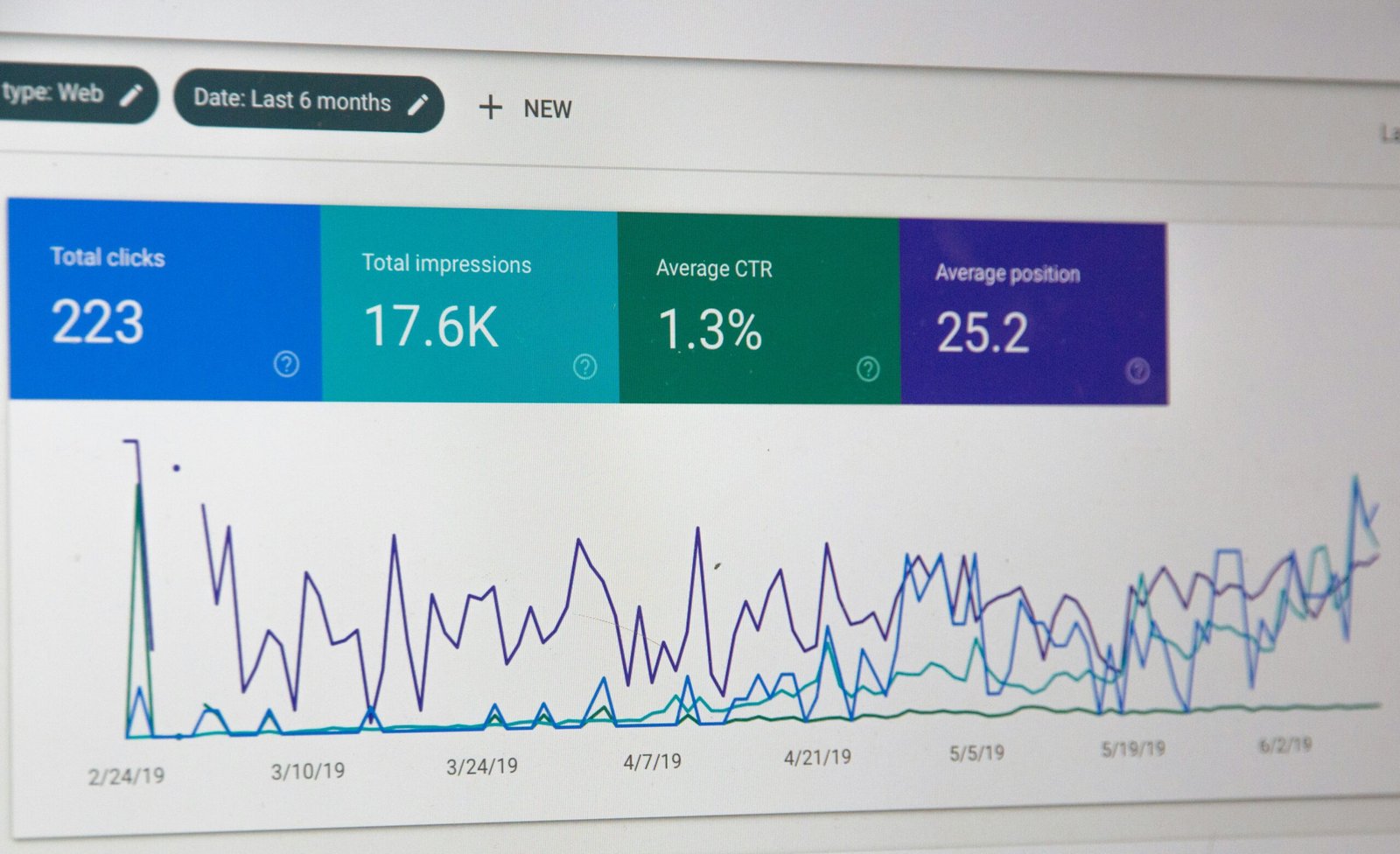
Photo by 1981 Digital on Unsplash